

| Category | FNAC and All Routine Test |
FNAC and All Routine Test in Ballabhgarh
Diagnostic tests play an important role in identifying health concerns, evaluating symptoms, and supporting medical decisions. From routine blood and urine investigations to specialised procedures such as Fine Needle Aspiration Cytology (FNAC), laboratory testing provides valuable information about different aspects of health. If you are looking for FNAC and All Routine Test in Ballabhgarh, Dr. Bharti Path Lab is a local laboratory option where you can enquire about the availability of diagnostic investigations.
Routine tests are commonly recommended during regular health check-ups, before selected medical procedures, and when a doctor needs to investigate symptoms or monitor an existing condition. FNAC is a specialised diagnostic procedure that involves collecting cells from a lump or selected tissue area for microscopic examination. The choice of investigation depends on the patient's symptoms, medical history, and the advice of a qualified healthcare professional.
Fine Needle Aspiration Cytology, commonly known as FNAC, is a diagnostic procedure used to collect a small sample of cells from a lump, swelling, or selected tissue area. A thin needle is inserted into the targeted area to obtain cells, which are then examined under a microscope by a qualified professional.
FNAC may be recommended to evaluate certain swellings and lumps, including those involving the thyroid gland, lymph nodes, salivary glands, and other accessible tissues. It can help distinguish between different types of cellular changes and determine whether additional investigations are needed.
FNAC is generally less invasive than a surgical biopsy, although its suitability depends on the location and nature of the abnormality. Not every lump requires FNAC, and the decision should be made by the treating doctor.
A doctor may recommend FNAC when a lump or swelling requires further evaluation. Common reasons include:
The procedure may not provide a definitive diagnosis in every case. Depending on the findings, imaging, repeat sampling, a core needle biopsy, or another investigation may be recommended.
Routine diagnostic tests are investigations used to assess general health, investigate symptoms, and monitor specific medical conditions. These may involve blood, urine, stool, or other samples, depending on the investigation.
For individuals seeking FNAC and All Routine Test in Ballabhgarh, understanding the commonly prescribed tests can help them discuss their requirements with their doctor and laboratory.
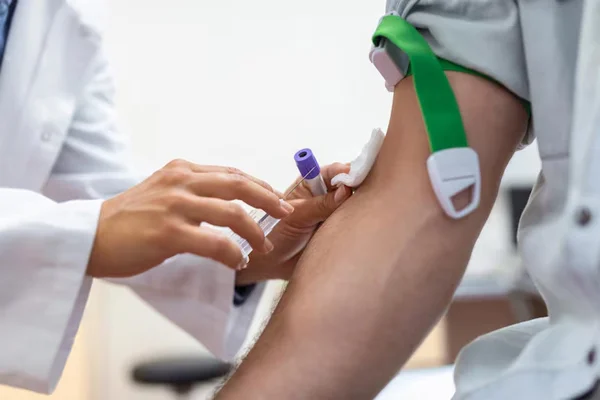
A Complete Blood Count measures important blood parameters, including red blood cells, white blood cells, haemoglobin, and platelets. It is commonly used to assess general health and investigate concerns such as anaemia, infections, and certain blood abnormalities.
Blood glucose tests measure the amount of sugar in the blood. Fasting, postprandial, and random blood glucose tests may be recommended depending on the clinical requirement. HbA1c testing may also be used to assess average blood sugar levels over the preceding two to three months.
Liver function tests measure selected enzymes, proteins, and other substances associated with liver health. These investigations may help doctors evaluate possible liver abnormalities and monitor certain diagnosed conditions.
Kidney function investigations may include creatinine, urea, and other parameters used to assess kidney health. The results help doctors investigate possible kidney problems and monitor patients with certain medical conditions.
Thyroid tests, including TSH and sometimes free T3 and free T4, help evaluate thyroid gland function. They may be recommended when symptoms or clinical findings suggest a possible thyroid disorder.
Urine testing can assess characteristics such as colour, concentration, acidity, and the presence of substances or cells. It may assist in evaluating urinary symptoms, possible infections, and selected kidney or metabolic concerns.
Stool tests may be recommended to investigate certain digestive symptoms, intestinal infections, parasites, or other gastrointestinal concerns. The type of stool test depends on the suspected condition and the doctor's advice.
A lipid profile measures cholesterol and triglyceride levels in the blood. It is commonly used to help assess cardiovascular risk and guide preventive healthcare decisions.
ESR is a nonspecific blood test that may help doctors evaluate inflammation. It is interpreted alongside symptoms, medical history, and other investigations rather than used alone to diagnose a condition.
Depending on individual requirements, additional tests may include haemoglobin assessment, electrolyte testing, uric acid, calcium, and other biochemical or haematological investigations. Test availability should be confirmed directly with the laboratory.
Routine diagnostic investigations can provide useful information about different aspects of health and help doctors make informed decisions.
General health assessment: Selected tests can provide baseline information during preventive health check-ups.
Investigation of symptoms: Laboratory findings may help doctors investigate concerns such as fatigue, fever, urinary symptoms, or unexplained changes in health.
Monitoring medical conditions: Repeat testing can help evaluate changes over time in people with diagnosed conditions.
Support for clinical diagnosis: Results may help determine whether additional investigations or specialist consultation are necessary.
Preventive healthcare: Depending on age, medical history, and risk factors, appropriate testing may help identify abnormalities that need further assessment.
Not everyone needs every available test. A doctor can recommend suitable investigations according to individual health requirements.
Dr. Bharti Path Lab provides a local point of contact for patients seeking laboratory investigations in Ballabhgarh. Individuals can enquire about routine diagnostic tests and the availability of specialised investigations such as FNAC.
When choosing a laboratory, it is useful to confirm the availability of the required test, sample collection arrangements, preparation instructions, reporting timelines, and any referral requirements for specialised procedures.
For FNAC, patients should confirm where the procedure is performed, who performs the sampling, and how the specimen is examined. These details are important because FNAC involves a procedure as well as the subsequent cytological assessment.
If you need FNAC and All Routine Test in Ballabhgarh, contact Dr. Bharti Path Lab to discuss the specific investigation recommended by your doctor.
Preparation varies according to the investigation.
For routine laboratory tests:
For FNAC, preparation depends on the location of the lump and the sampling technique. Tell the healthcare professional about medicines that affect blood clotting, allergies, and relevant medical conditions. Do not stop prescribed medicines unless instructed by your treating doctor.
Laboratory reports should be interpreted in the context of the patient's symptoms, medical history, examination, and other investigations. Reference ranges can vary between laboratories, and an abnormal result does not automatically confirm a disease.
FNAC reports describe the cellular findings from the collected sample. Sometimes the findings are inconclusive or insufficient, and further testing may be necessary. Your doctor can explain the results and advise whether follow-up investigations or treatment are appropriate.
FNAC and routine diagnostic tests help healthcare professionals investigate symptoms, assess general health, and monitor selected medical conditions. From CBC, blood sugar, and thyroid testing to urine examination and specialised cytology, the appropriate investigation depends on individual clinical needs.
For people searching for FNAC and All Routine Test in Ballabhgarh, Dr. Bharti Path Lab is a local option to enquire about available laboratory services. Contact the laboratory to confirm test availability, sample collection requirements, and expected report timings. Consult your doctor to determine which investigations are appropriate for your health concerns.
FNAC collects cells from a lump or selected tissue area for microscopic examination. It may help evaluate thyroid nodules, enlarged lymph nodes, and certain other swellings.
Common tests include CBC, blood glucose, liver function, kidney function, thyroid function, urine routine and microscopy, stool examination, and lipid profile. The appropriate tests depend on individual medical needs.
FNAC is generally a minimally invasive sampling procedure that uses a thin needle to collect cells. Its suitability and the method used depend on the location and characteristics of the area being examined.
Some blood tests require fasting, while others do not. Requirements depend on the specific investigation. Always follow the instructions provided by your doctor or laboratory.
You can contact Dr. Bharti Path Lab in Ballabhgarh to enquire about available routine tests, FNAC arrangements, sample collection procedures, and report delivery timelines.
Reporting times vary according to the investigation. Routine tests may have different turnaround times from FNAC, which requires cytological examination. Contact the laboratory to confirm the expected reporting time for each test.